Concept Prototype · Speculative workflow system
02.CConcepts · Workflow orchestration

Cadence CareOS.

A speculative healthcare workflow orchestration system — exploring AI-enabled operational visibility, continuity of care across roles and shifts, and adaptive support inside the day-to-day routine. Same ocean as the rest of the practice; deeper, more clinical depth.

This is a concept exploration, not shipped client work. It demonstrates future-state workflow thinking and AI-supported operational design.
01Overview

A speculative workflow system for caregiving routines.

Cadence CareOS is a concept prototype exploring how human-centered AI integration could support caregiving teams — orchestrating routines, surfacing signals, and holding continuity across roles, visits, and follow-up without adding another dashboard to an already crowded day.

02Problem

Caregiving routines break down at the seams.

Caregiving workflows fracture when documentation, follow-up, role clarity, and next-step decisions live across disconnected tools or people. Information gets re-entered, context drops between shifts, signals get missed, and continuity depends on whoever happens to remember.

03Concept

An orchestration layer for caregiving teams.

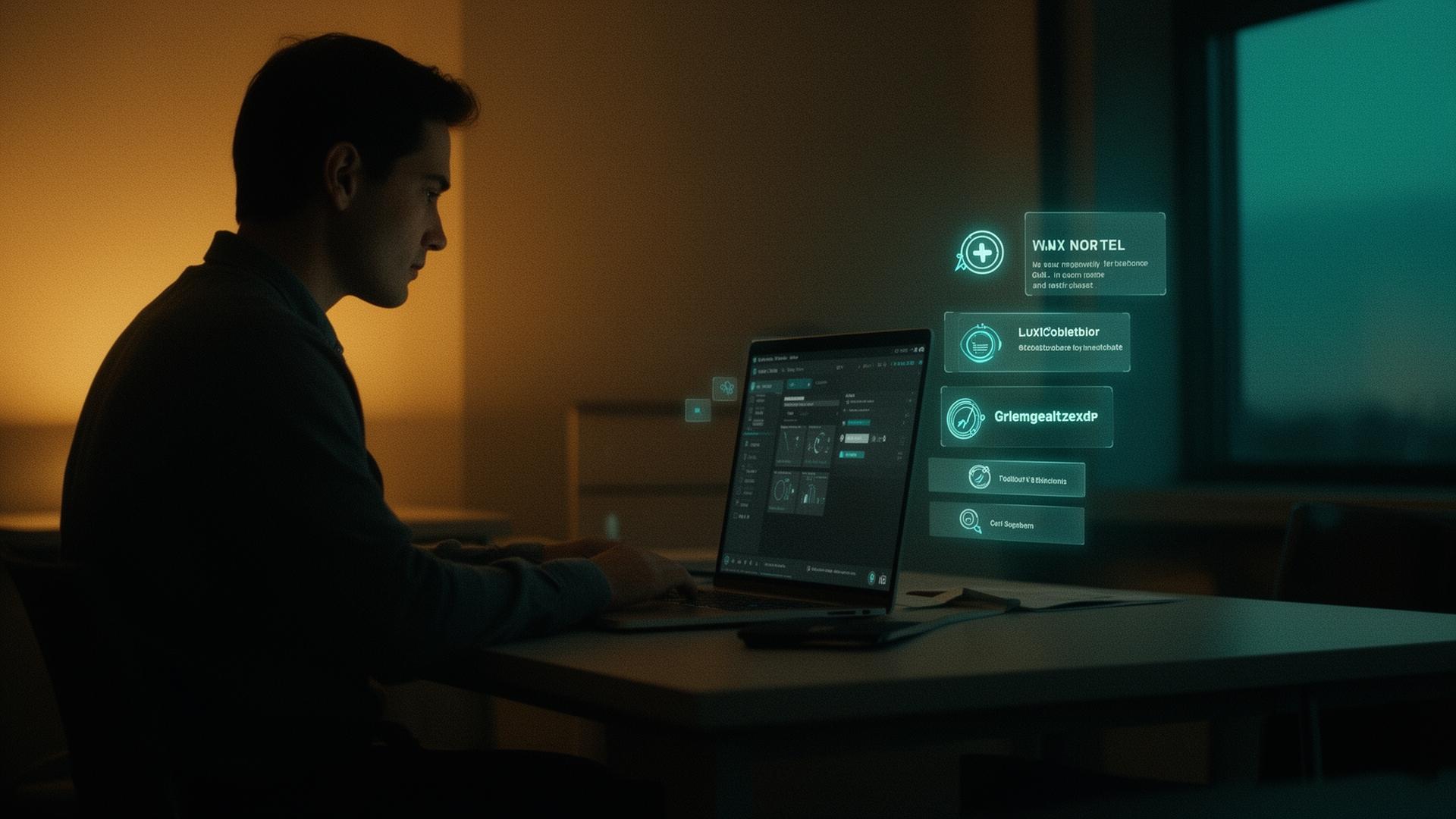
Cadence imagines a workflow orchestration layer that helps caregiving teams see what happened, what needs attention, who is involved, and what should happen next. AI sits inside the routine — quietly carrying signals, drafting summaries, and adapting support to the person on shift — rather than replacing the systems already in place.

04AI role

Where AI quietly supports the team.

Documentation assistance

Drafts notes and summaries from routine signals so caregivers review and refine rather than starting from scratch — capturing context the next person on the workflow will need.

Pattern detection

Surfaces patterns across visits and routines — missed follow-ups, recurring symptoms, gaps in care — before they compound into avoidable escalations.

Continuity cues

Carries context across roles, shifts, and visits so the next person picking up the routine already knows what happened and what's pending.

Adaptive next-step prompts

Suggests the next reasonable action based on routine, history, and what the team has already done — adapting as the situation changes.

Role-aware support

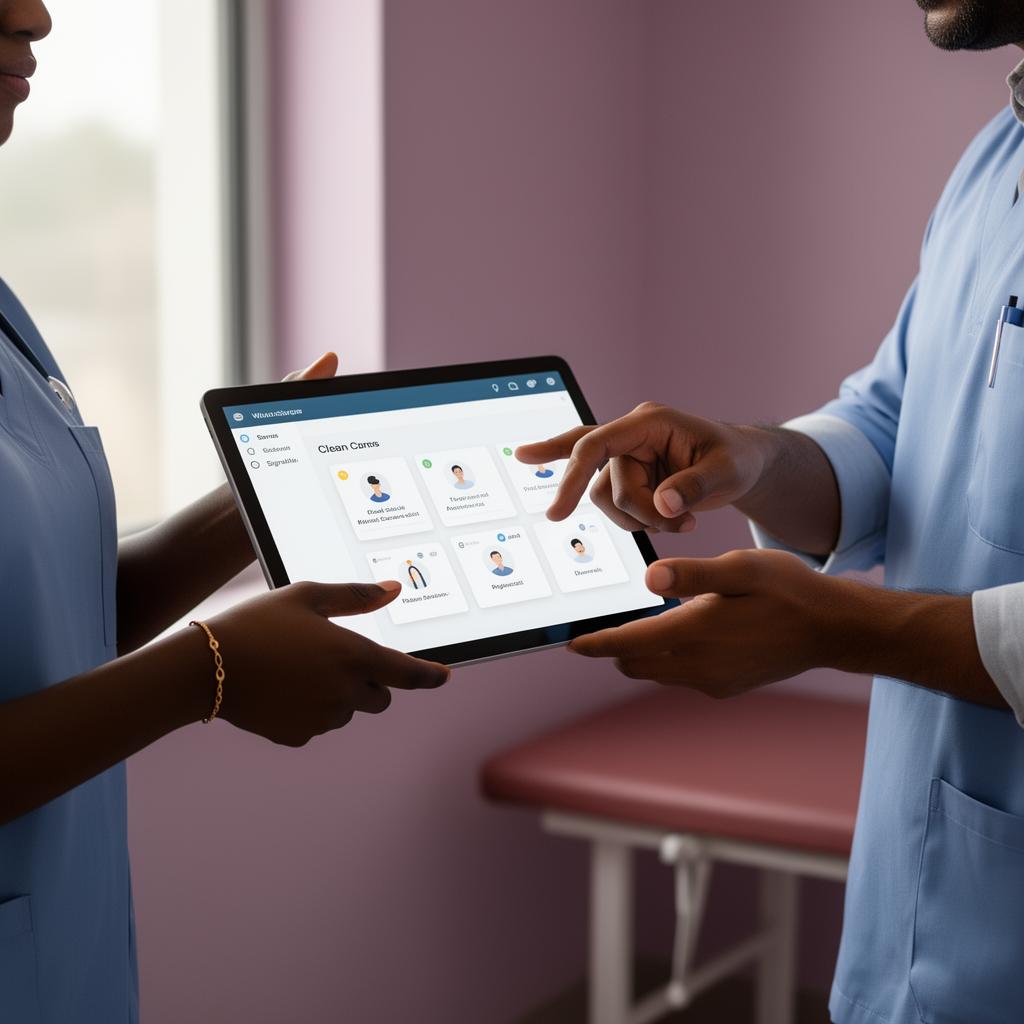
Tailors prompts and views to the person on shift — nurse, MA, provider, coordinator, family caregiver — instead of forcing one generic dashboard on everyone.

Routine summaries

Rolls up what happened, what's pending, and who's responsible into a shared continuity view that travels with the patient, not the tool.

05What this demonstrates

The thinking behind the concept.

Workflow orchestrationHuman-centered AI integrationSignals, routines, and adaptive supportContinuity across roles and shiftsSpeculative product and system thinkingHealthcare-context imagination
Credibility note

This is a concept prototype, not a shipped client system. It demonstrates speculative product thinking — workflow orchestration and human-centered AI integration applied to caregiving routines.