Readiness is what people can do — not what they finished.
I design for the moment someone has to perform under real conditions, not the checkbox that says they completed the course.
See: Global Sales Bootcamp ReadinessThe operating philosophy behind the work — how I decide what to build, which modality fits the behavior, how to measure what actually moved in the field, and where AI earns its place as a support layer for human judgment.
The tool accelerates. You architect.
Read straight through, or wander between chapters.
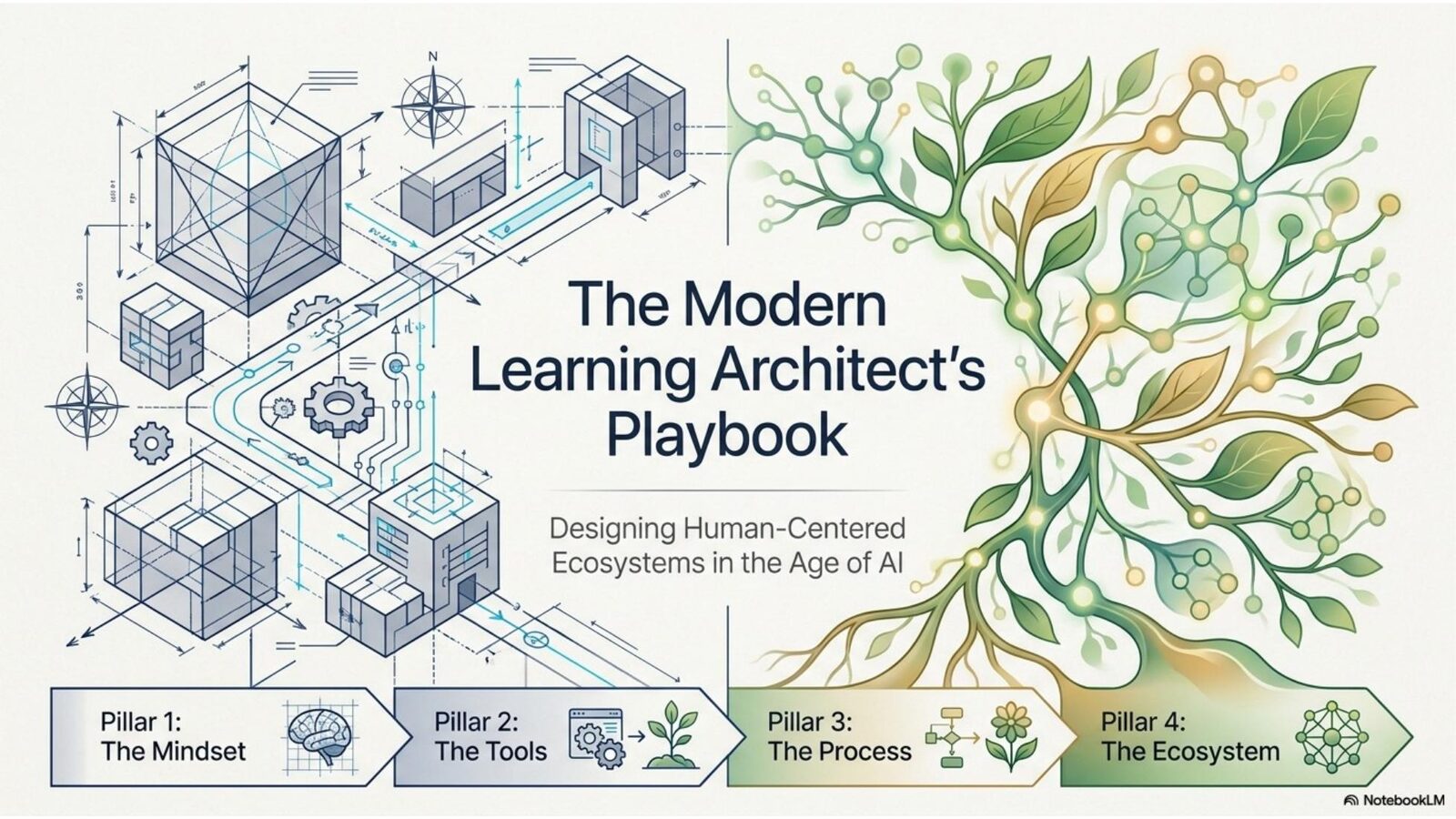
The work has moved upstream. The question is no longer how fast you can produce — it is whether you understand the system you are shaping.
Imposter syndrome is not a personal failure. It is a signal that the role has changed faster than the title. The architect treats budget, isolation, ambiguity, and stakeholder pressure as design constraints, not weather.
“You are not designing content. You are designing an environment.”

AI can generate a scenario. It cannot feel a learner's frustration.
Use the arrows or thumbnails to move through the playbook.

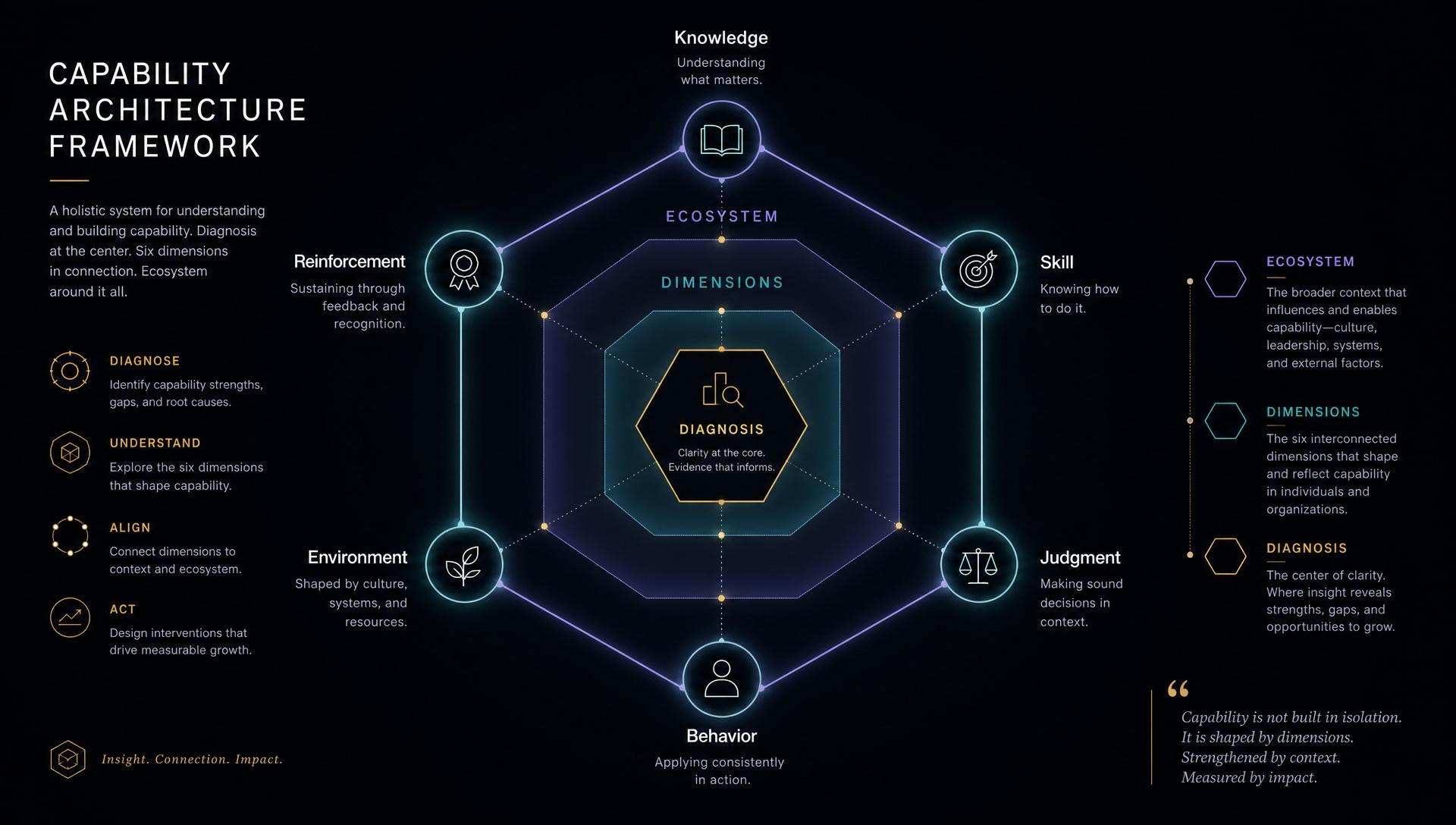
A cinematic reinterpretation of the learning frameworks that shape the work — recognizable, intentional, alive.
“Understanding is not memorization. It is the ability to move confidently inside real environments.”

The model behind the onboarding, sales readiness, and AI-supported systems on this site — how a team moves from knowing about something to doing it consistently in the field.
New hires get role clarity, product fluency, and a faster ramp into real customer conversations.
Sellers and frontline teams rehearse the hard moments — objections, discovery, judgment calls — before they happen live.
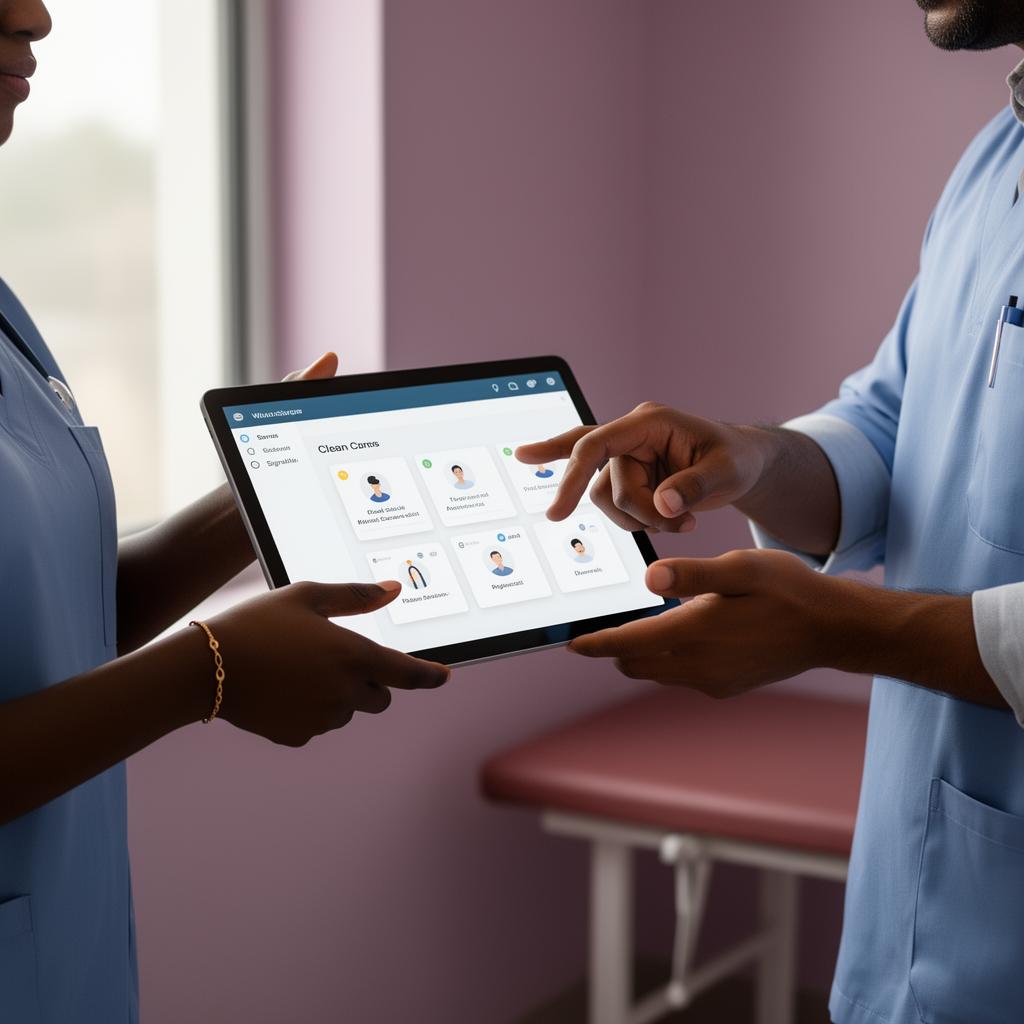
Guidance shows up inside the tool the rep is already in, at the moment of the decision — not buried in a portal.
Short, well-timed reps tied to real moments in the week — so managers can coach against something concrete.
AI helps where it speeds the person up — drafting, summarizing, simulating — and steps back where human judgment matters.
The quiet certainty a rep carries into a live call because they've already worked the muscle in practice.
Consistent behavior across regions, roles, and tools — not just completion in a dashboard.
Six working principles behind the onboarding, readiness, and AI-supported systems on this site — each one tied to a piece of work that proves it out.
I design for the moment someone has to perform under real conditions, not the checkbox that says they completed the course.
See: Global Sales Bootcamp ReadinessReading about a conversation isn't the same as having one. Confidence is a behavior, and behavior is built through reps.
See: Scenario StorytellingGuidance that shows up in the tool, at the moment of the decision, beats anything that asks someone to stop and go look it up.
See: AI Workflow Integration SystemLet the model carry the weight where weight helps. Keep the person in the loop where the judgment actually matters.
See: AI LabAwareness wants video. Practice wants simulation. Workflow wants in-the-flow support. The behavior decides the modality — not the other way around.
Onboarding, practice, workflow support, and reinforcement working together do more for readiness than any single course ever can.
See: Guided Product DiscoveryNot preference. Not what’s easiest to produce. The real question is what someone needs to do differently in their day — and which format makes that change most likely to stick at scale.
Measurement is designed into the system, not bolted on as a report after launch. A working take on Kirkpatrick’s four levels — framed so each one points to a signal an enablement leader can actually act on.
The interesting work happens at Behavior and Impact — where reinforcement, workflow support, and readiness architecture either hold up in the field, or don’t.
They’re the human decisions around the work — the quiet moments where someone has to choose what stays human.
Knowing when to use AI.
And when not to.
Redesigning workflows.
Not bolting tools onto broken ones.
Protecting human judgment.
Where the model would smooth it away.
Keeping work human.
Even when the system could automate the warmth out of it.
AI is not eliminating the human touch. It is stripping away the mechanical so that empathy, ethical judgment, and strategic vision can take center stage.
The frameworks above are an excerpt. The full architecture travels as a live conversation — keynote, workshop, or embedded engagement — shaped to the team in the room.
If this resonates
If this is the kind of system your team needs built — or rebuilt — the next step is a working conversation.
Start the conversationQuiet doorways into the rest of the world.